Journal · planets · Long Read
Saturn Conjunct Moon: What This Heavy Aspect Means in Your Chart
Saturn conjunct Moon puts structure on top of feeling. It's a heavy aspect, but not a verdict. Here's what it means in your chart and how to work with it.
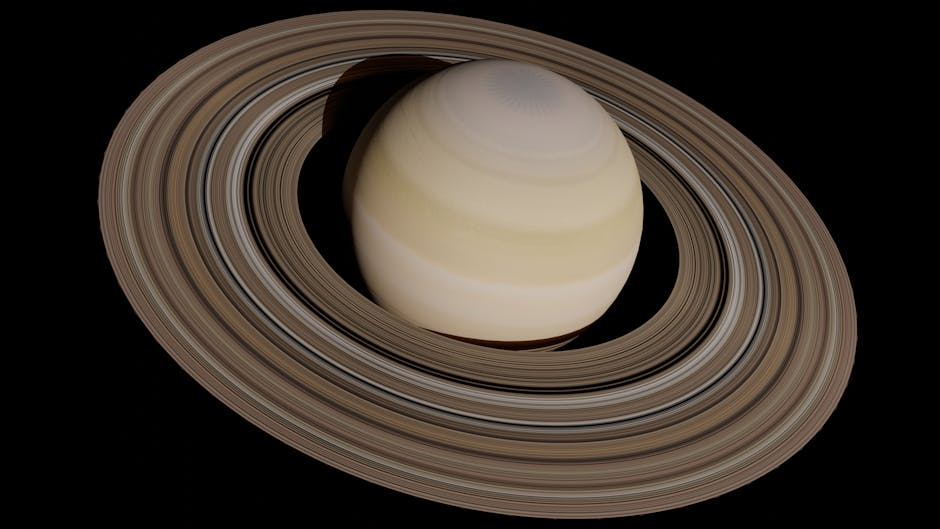
Saturn conjunct Moon is one of those natal aspects astrologers tend to discuss in careful, serious tones. It's a combination that puts the planet of structure, limits, and discipline right on top of the planet that governs emotions, instincts, and your sense of comfort. The result is a placement that can make feelings feel heavy, complicated, or hard to express freely.
But heavy doesn't mean hopeless, and hard doesn't mean broken. Saturn conjunct Moon is a placement with real gifts as well as real challenges. Here's what it actually means, where it came from, and how to work with it rather than against it.
What Saturn Conjunct Moon Is
Saturn conjunct Moon is a natal chart placement where Saturn and the Moon were sitting extremely close together in the sky at the moment you were born — generally within about eight degrees of each other and in the same zodiac sign. In astrology, when two planets occupy the same spot, they blend their energies.
Saturn is the planet of structure, discipline, boundaries, time, and limitation. The Moon represents emotions, instincts, habits, mothering, and your sense of comfort and safety. When they're conjunct, Saturn's restrictive quality lands directly on the Moon's soft, feeling nature. That can produce emotional self-containment, seriousness beyond your years, or a sense that feelings need to be controlled before they can be expressed.
Where This Interpretation Comes From
The idea of planetary conjunctions goes back to ancient Babylonian and Greek astrology, where astrologers tracked when planets appeared to meet. Saturn — known to the Greeks as Kronos — was consistently associated with restriction, time, and hardship. The Moon represented the mother, the body, and emotional life. Ancient astrologers considered Saturn a "malefic" — a planet that creates difficulty — and saw its contact with the Moon as particularly challenging because it suppressed what the Moon naturally wants to do: feel freely and seek comfort.
Medieval astrologers made the interpretation even sterner, often describing Saturn conjunct Moon as a marker of grief, coldness, or a difficult relationship with one's mother. Modern astrology has softened that language considerably, but it hasn't discarded the core idea. This combination still carries weight.
What It Means in Your Chart
If you have Saturn conjunct Moon, look for it in your birth chart by finding where your Moon and Saturn share the same sign and are within roughly eight degrees of each other. The closer the conjunction, the stronger the blend.
The house the conjunction sits in matters a lot. Saturn conjunct Moon in the 4th house — the house of home and family — might point to a childhood that felt strict, emotionally constrained, or marked by caretaking responsibilities. The same conjunction in the 7th house might show up as caution and guardedness in close relationships. In the 10th house, it can look like emotional life tied tightly to career or public responsibility.
The sign also flavors the aspect. Saturn conjunct Moon in Capricorn is the most "pure" version — serious, disciplined, emotionally contained. In Cancer, it's the placement working against the grain, because Saturn is uncomfortable in Cancer and the Moon is at home there. In Pisces, it can produce a sensitive, melancholy imagination that's hard to share.
How It Tends to Show Up
People with Saturn conjunct Moon often keep emotions controlled. They learned early — sometimes very early — that feelings needed to be managed rather than expressed. That shows up in adulthood as emotional self-sufficiency, maturity, and a reluctance to burden other people with what they're going through.
The upside: these people are frequently reliable, serious, and capable of handling difficult situations without falling apart. They make excellent long-term partners, responsible parents, and steady friends in a crisis. They're often the ones other people lean on.
The downside: they can struggle to ask for help, find it hard to feel nurtured, or carry a low-grade sense of loneliness even when surrounded by people who love them. Saturn conjunct Moon sometimes feels like a voice saying "you have to do this yourself," long after the original reason for that voice has passed.
A Real Example
Imagine someone born with Saturn and the Moon both in Capricorn, sitting in the 10th house — the area of the chart connected to career and public reputation. This person might find themselves building a life around achievement, responsibility, and competence from an early age. They often have a deeply responsible emotional core — they feel things, but they process them privately. Their work and public role may become the container for feelings they don't have other outlets for.
They may also struggle to let themselves rest or ask for emotional support from colleagues and family. The gift is a rare kind of reliability. The challenge is learning that they don't have to earn love by holding everything together.
Working With the Aspect
The practical work of Saturn conjunct Moon is about letting your emotional life exist without needing to justify it. That usually means unlearning the belief that feelings are inconvenient, inconvenient to others, or something you should have under control before you're allowed to have them.
Therapy tends to help people with this aspect more than most, because it gives structure to emotional work — and structure is something Saturn is comfortable with. Journaling, slow creative practices, and time spent in environments where you don't have to perform are all useful. So is letting trusted people in on what you're actually feeling, even when it feels unnecessary.
Common Misconceptions
The biggest myth is that Saturn conjunct Moon means you'll have a cold mother or a tragic childhood. Not necessarily. Plenty of people with this aspect had loving, involved parents. What the aspect describes is the felt experience of early emotional life — which can be shaped by temperament, circumstance, or responsibility as much as by anything external.
Another myth is that the aspect goes away with age. It doesn't fully, but it does get easier. Saturn rewards patience. People with strong Saturn placements often report that their forties and fifties are easier than their twenties — the structure Saturn builds starts to pay off.
Related Concepts
If you find this aspect interesting, it's worth understanding Saturn's other hard aspects to the Moon — square and opposition — which carry a similar flavor but express differently. Saturn square Moon tends to be more externally conflict-driven. Saturn opposition Moon can feel like a push-pull between duty and comfort. The conjunction is the most internalized version.
Saturn Conjunct Moon in Each Element
The element of the sign your Saturn-Moon conjunction falls in shapes how the aspect feels. In earth signs (Taurus, Virgo, Capricorn), it produces the most tangible version — practical, grounded, often manifesting as responsibility for real-world matters. These are the people who become reliable providers and caretakers, sometimes at a cost to their own emotional needs.
In water signs (Cancer, Scorpio, Pisces), the conjunction is more intense. Water wants to feel freely, and Saturn's restriction on a water Moon can produce emotional heaviness, melancholy, or a tendency to carry other people's pain. In air signs (Gemini, Libra, Aquarius), the aspect often turns intellectual — emotions get thought about rather than felt. And in fire signs (Aries, Leo, Sagittarius), it dampens natural enthusiasm, sometimes producing a quieter, more reserved person than you'd expect from the fire placement.
How the Aspect Changes With Transits
Your natal Saturn-Moon conjunction doesn't stay static. It gets activated by transits, especially when transiting Saturn aspects your natal Moon or when transiting Moon, Sun, or outer planets touch the conjunction. These periods often coincide with emotional reckonings — times when old feelings surface and demand attention. They can be hard, but they also tend to produce real growth.
The Saturn return — which happens around ages 28-30 and again around 58-60 — is particularly important for anyone with this aspect. During the Saturn return, the lessons of Saturn-Moon often crystallize. You get the chance to rewrite your relationship with emotional weight, responsibility, and self-reliance. Many people with this aspect describe their first Saturn return as transformative.
The Gifts of Saturn Conjunct Moon
It's worth dwelling on the gifts of this aspect because most articles focus only on the difficulties. People with Saturn conjunct Moon often have extraordinary emotional endurance. They can sit with hard feelings without running from them. They're trustworthy in ways that matter — the friend who shows up when things get ugly, the partner who stays during the hard years, the parent who doesn't fall apart when their child needs stability.
They also tend to develop wisdom about loss. Saturn's restriction teaches — slowly, sometimes painfully — that feelings don't have to destroy you. That lesson, once learned, is a rare kind of inner resource.
Related Aspects to Know
If Saturn conjunct Moon resonates, it's worth studying the Moon's other major aspects and Saturn's role across your chart. Saturn in hard aspect to Venus, Mercury, or the Sun adds layers to the picture. The house Saturn occupies — even when it's not conjunct the Moon — often shows where you feel most constrained. Looking at the whole picture is much more useful than isolating any single aspect.
Frequently Asked Questions
Is Saturn conjunct Moon a bad aspect?
It's a challenging aspect, not a bad one. People with it tend to be serious, reliable, and emotionally mature — traits that have real value, even when the experience of carrying the aspect feels hard.
How close do Saturn and the Moon have to be?
Most astrologers use an orb of about 8 degrees for the conjunction, though tighter conjunctions (within 3 degrees) tend to be much more noticeable.
Does Saturn conjunct Moon mean a difficult mother?
Not necessarily. It often describes the emotional tone of early life, which can be shaped by many factors. It doesn't predict any specific family situation.
Can the aspect get easier with age?
Yes. Saturn rewards patience and long-term effort. Many people with this aspect find life gets more emotionally comfortable as they get older.
What helps the most with Saturn conjunct Moon?
Structured emotional work — therapy, journaling, creative practices — and building trusted relationships where you're allowed to be vulnerable without having to perform competence first.
Saturn Conjunct Moon and Parenting
People with Saturn conjunct Moon often become thoughtful, dedicated parents — partly because they know what it feels like not to have their emotional needs met, and they actively work to do things differently for their own kids. The challenge is avoiding the flip side: overcompensating, being overly responsible, or expecting too much from themselves as a parent. The same emotional weight that can make this placement hard to carry also makes it a source of deep care.
Parents with this aspect often benefit from naming what they didn't get when they were young, and giving themselves permission to have limits. You can be a great parent without being perfect, and you can meet your child's needs without erasing your own.
Saturn conjunct Moon isn't a curse. It's a life assignment. The work is learning that emotional weight doesn't have to be carried alone, and that being reliable and being held aren't mutually exclusive.