Journal · planets · Long Read
Void of Course Moon: What It Means and What to Avoid
The void of course Moon is a timing window when the Moon isn't forming major aspects. Astrologers use it to decide when to act and when to wait. Here's what it means.
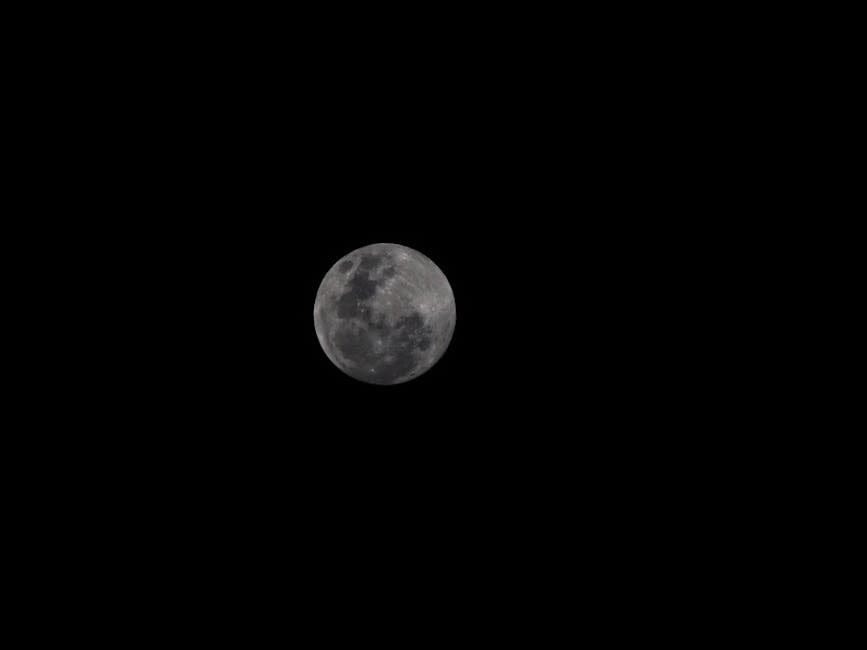
If you've ever heard an astrologer say "don't start that now — the Moon is void," you were bumping into one of the oldest timing tools in Western astrology. The void of course Moon is a small window in the day when the Moon is, in a sense, between assignments. It's not a dramatic transit. It's just a quiet stretch — but it's a stretch that traditional astrologers have taken seriously for over a thousand years.
Here's what the void of course Moon actually is, why it matters for timing, and what to do (and not do) when it's happening.
What the Void of Course Moon Is
The void of course Moon is the period of time when the Moon isn't forming any more major aspects to other planets before it moves into the next zodiac sign. Think of it as the Moon being "off the clock" — it's between assignments. The Moon makes its last major aspect in one sign, and then it just drifts across the remaining degrees until it changes signs. That in-between stretch is the void.
This happens multiple times a week and can last anywhere from a few minutes to nearly two days. It depends on how close the Moon is to the end of its current sign and how many planets are nearby for it to aspect. Because the Moon moves quickly — about 12 to 13 degrees a day — voids come around often.
Where the Concept Comes From
The void of course Moon goes back to ancient Greek and medieval astrology, where the Moon was treated as the fastest-moving and most influential body for day-to-day timing. The English astrologer William Lilly, writing in the 1600s, used the void of course Moon extensively in horary astrology — a branch of astrology that answers specific questions based on the exact time they're asked.
The rule was simple and practical: if you want something to come of your actions, don't initiate them when the Moon is void. Medieval astrologers weren't being superstitious. They were working within a system where the Moon's connections to other planets represented how events were likely to unfold. No connections meant no forward momentum.
How to Find It
The void of course Moon isn't something you read in your birth chart. It's a timing tool you look up for a specific date and time. Most astrology calendars and ephemeris apps will tell you when the Moon goes void and when it enters the next sign. Some list them in a small sidebar; others publish a full monthly void of course schedule.
When you're planning something that matters — a contract signing, a product launch, an important conversation — you check whether the Moon is void during that window. If it is, traditional astrology suggests waiting until the Moon enters its next sign.
What to Avoid During a Void Moon
Traditional astrology says the void of course Moon is a bad time to start anything you want to stick. That includes:
- Signing contracts or making legal commitments
- Launching a project, product, or new venture
- Starting a new job or first day at a role
- Buying expensive things you want to last
- Making major announcements
- Sending critical emails you need action on
The classic saying is "nothing will come of it." That doesn't mean the action fails catastrophically. It often just means the thing fizzles, doesn't produce the expected results, or turns out differently than planned. The concrete outcomes don't stick.
What's Fine During a Void Moon
Void Moon periods aren't useless. They're actually considered good for routine tasks, rest, reflection, and anything you don't need to build on. Finishing existing work, doing laundry, meditating, cleaning the house, having a low-stakes conversation, taking a nap — all fine. The void Moon just isn't great for beginnings.
Some astrologers even love void periods for creative work, journaling, and inner reflection. The lack of forward momentum creates space for processing and review. If you think of the Moon's aspects as the engine of daily life, the void is the pause between gears.
A Real Example
Say it's a Tuesday afternoon and the Moon is at 28 degrees Scorpio. The last major aspect it made was a trine to Venus, and there are no more exact angles it'll form before it crosses into Sagittarius at 9 PM. That whole stretch — from the moment that Venus trine completed until 9 PM — is the void of course period.
If someone schedules a job interview during that window, traditional astrology would say the outcome is uncertain or that nothing concrete will come of it. On the other hand, if you use that afternoon to review old work, clear your inbox, or have a casual conversation with a friend, you're using the void exactly the way it's meant to be used.
Common Misconceptions
The biggest misconception is that the void of course Moon is dangerous or unlucky. It isn't. Nothing bad is going to happen because you sent an email during a void Moon. Traffic won't grind to a halt. The sky isn't punishing you. The void just tends to coincide with actions that lose steam — plans that shift, meetings that don't go anywhere, decisions that get revisited.
Another misconception is that all astrologers agree on exactly how to define the void period. They don't. Some only count aspects the Moon makes within its current sign. Others include aspects to outer planets across signs. The timing can differ slightly depending on which tradition your astrologer follows.
Practical Tips for Using Void Moons
If you're new to working with the void of course Moon, start small. Check it before sending big emails or scheduling important calls. Notice whether actions you took during voids produced the results you wanted. Over a few months, you'll develop a sense of whether the tool resonates for you personally.
Don't let it become paralyzing. The Moon goes void several times a week, and you can't rearrange your whole life around it. Use it where it matters — contracts, launches, major decisions — and let the rest go.
The Void of Course Moon by Sign
Some astrologers read the flavor of the void based on which sign the Moon is drifting through while void. The idea is that even though the Moon isn't making active aspects, its sign still colors how the empty window feels.
- Moon void in Aries: Restless energy with nowhere to point it. Good for rest, bad for new starts.
- Moon void in Taurus: Slow, stable, good for finishing existing comfort-based tasks.
- Moon void in Gemini: Scattered thinking; useful for writing drafts or light reading.
- Moon void in Cancer: Emotional, nostalgic; good for quiet reflection.
- Moon void in Leo: Playful but unmotivated; fine for creative rest.
- Moon void in Virgo: Decent for organizing and cleaning, since routine tasks are fine.
- Moon void in Libra: Indecisive; avoid committing to relationships or agreements.
- Moon void in Scorpio: Introspective; good for deep inner work.
- Moon void in Sagittarius: Wandering focus; fine for daydreaming and long walks.
- Moon void in Capricorn: Flat, unmotivated; don't start new projects.
- Moon void in Aquarius: Detached; good for reviewing long-term plans.
- Moon void in Pisces: Dreamy and unfocused; excellent for art, music, meditation.
How the Void Fits Into Electional Astrology
Electional astrology is the branch of astrology that chooses the best time to start something important — a wedding, a business, a contract. For electional astrologers, the void of course Moon is one of the first things to check. An otherwise great chart can be undermined by launching during a void, and a mediocre chart can be strengthened by making sure the Moon is active.
This is why professional astrologers take the tool seriously even though it sounds simple. The logic is consistent across traditions: the Moon's aspects represent the flow of events. When the Moon is quiet, events don't flow.
Modern Interpretations
Modern astrologers are divided on how strictly to follow the void of course Moon. Some stick to the traditional interpretation and won't schedule anything important during a void. Others treat it as a gentle suggestion rather than a rule. And a few use the void deliberately — as a time for rest, retreat, and creative work — rather than avoiding it. All three approaches have merit.
The thing to remember is that void Moon periods don't feel bad. They feel quiet. If you tune in, you can often sense when the Moon has gone void just by how the day feels — a little looser, a little less forward-moving. That felt sense is worth developing if you're interested in using the tool.
Related Timing Tools
The void of course Moon works alongside other lunar timing tools. Knowing which sign the Moon is in tells you what kind of activities are favored that day. The Moon's phase — new, waxing, full, waning — tells you whether energy is building or releasing. Mercury retrograde affects communication and timing. Together these tools form a practical astrological calendar that goes far beyond your natal chart.
Frequently Asked Questions
How long does a void of course Moon last?
Anywhere from a few minutes to almost two days, depending on where the Moon is in its cycle and how close it is to changing signs.
Can I still work during a void Moon?
Yes. Routine tasks, maintenance, reflection, and finishing existing projects are all fine. The void mostly affects new starts.
Is the void of course Moon the same as a Moon sign change?
No, but they're related. The void ends the moment the Moon moves into the next sign.
Does the void of course Moon affect everyone equally?
Traditionally it's treated as a universal timing window, not a personal transit. Everyone experiences it at the same time.
What if I have to sign something during a void Moon?
Do it if you have to. Just be aware that you may need to revisit or renegotiate details later. The void doesn't destroy contracts — it just loosens them.
Common Scenarios and How to Handle Them
One of the most useful ways to think about the void of course Moon is through practical scenarios. Say you have a job interview scheduled during a void. Traditional astrology would suggest the outcome might be uncertain, but that doesn't mean you should cancel. Show up, do your best, and keep your expectations flexible. If the offer comes through, great. If it doesn't, you didn't lose anything the void wasn't already affecting.
Another scenario: you need to send an important email during a void period. Send it, but don't expect an immediate response. Voids often coincide with delayed replies and lost follow-through. Send, and then follow up once the Moon has changed signs if you don't hear back.
If you're planning a vacation, a dinner party, or anything social, the void of course Moon matters less. These things are meant to be casual. The void is really a flag for moments when you need an initiation to produce a lasting outcome.
The void of course Moon is one of the most practical timing tools in astrology. It doesn't predict dramatic events. It just tells you when the sky is in neutral. Learn to spot it, use it for reflection, and save your big starts for when the Moon is back on the clock.