Journal · planets · Long Read
North Node in Astrology: Life Purpose and Soul Direction
The North Node in astrology points to your growth edge — the direction your life is pulling you toward. Here's what it means, how to find yours, and how to actually work with it.
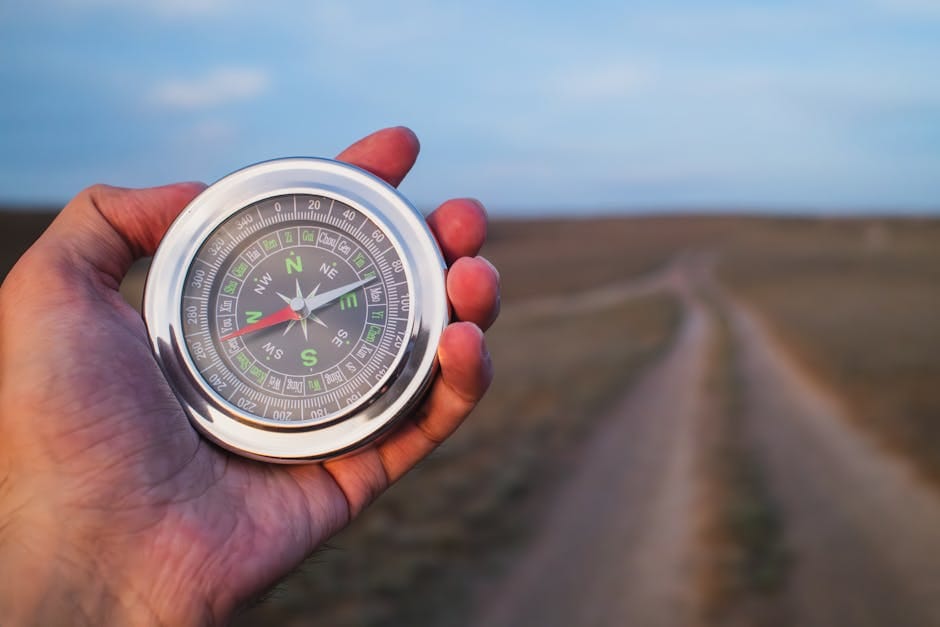
The North Node is the part of your birth chart that a lot of astrologers consider the most important. It's not a planet. It's a point — a direction. It tells you where your life is pulling you, what you're here to learn, and what kind of growth tends to feel most meaningful over time.
Related: see our deeper guide on How to Read Your North Node Sign and House Together for a focused walkthrough on north node sign house meaning.
Related: see our deeper guide on Lunar Nodes in Astrology: The Nodes of Fate Explained for a focused walkthrough on lunar nodes astrology.
Related: see our deeper guide on North Node in the 9th House: Philosophy, Travel, and Expanding Beliefs for a focused walkthrough on north node 9th house.
Related: see our deeper guide on North Node in the 6th House: Health, Routine, and Meaningful Work for a focused walkthrough on north node 6th house.
Related: see our deeper guide on North Node in the 5th House: Joy, Creativity, and Authentic Self-Expression for a focused walkthrough on north node 5th house.
Related: see our deeper guide on North Node in the 4th House: Finding Your Roots and Inner Home for a focused walkthrough on north node 4th house.
Related: see our deeper guide on North Node in the 3rd House: Embracing Curiosity and Community for a focused walkthrough on north node 3rd house.
Related: see our deeper guide on North Node in the 2nd House: Building Self-Worth and Abundance for a focused walkthrough on north node 2nd house.
Related: see our deeper guide on North Node in the 1st House: Your Soul's Path of Self-Discovery for a focused walkthrough on north node 1st house.
Related: see our deeper guide on What Is the North Node in Astrology? The Complete Beginner's Guide for a focused walkthrough on what is north node astrology.
Related: see our deeper guide on North Node in Pisces: Surrender, Spirituality, and Creative Flow for a focused walkthrough on north node pisces life purpose.
Related: see our deeper guide on North Node in Aquarius: Innovation, Community, and the Collective for a focused walkthrough on north node aquarius life purpose.
Related: see our deeper guide on North Node in Capricorn: Building Legacy and Embracing Ambition for a focused walkthrough on north node capricorn life purpose.
Related: see our deeper guide on North Node in Sagittarius: Truth-Seeking and Expanding Your World for a focused walkthrough on north node sagittarius life purpose.
Related: see our deeper guide on North Node in Libra: Partnerships, Balance, and Diplomacy for a focused walkthrough on north node libra life purpose.
Related: see our deeper guide on North Node in Virgo: Service, Healing, and Practical Mastery for a focused walkthrough on north node virgo life purpose.
Related: see our deeper guide on North Node in Leo: Stepping Into the Spotlight and Leading for a focused walkthrough on north node leo life purpose.
Related: see our deeper guide on North Node in Cancer: Your Soul Path of Nurturing and Home for a focused walkthrough on north node cancer life purpose.
Related: see our deeper guide on North Node in Gemini: Learning to Communicate and Stay Curious for a focused walkthrough on north node gemini life purpose.
Related: see our deeper guide on North Node in Taurus: Building Security and Embracing Pleasure for a focused walkthrough on north node taurus life purpose.
Related: see our deeper guide on North Node Life Purpose Calculator: How to Find Your Soul's Direction for a focused walkthrough on north node life purpose calculator.
Here's what the North Node actually is, where the idea comes from, and how to use it in your chart without getting tangled up in fatalistic language.
What Is the North Node?
The North Node is a point in your birth chart — not a planet — that astrologers use to describe the direction your life is pulling you toward. Think of it as a compass needle. It points to the qualities you're here to develop, the experiences that will feel both challenging and deeply meaningful. It's paired with the South Node, which sits directly opposite and represents what you're already comfortable with — your defaults, your habits, your "been there."
Together, the two Nodes form what astrologers call the Nodal Axis. The South Node is what you bring into this life; the North Node is what you're being invited to grow into. Neither is good or bad. They're two ends of a conversation about development.
Where Does the North Node Come From?
The Nodes come from astronomy. They mark the two points where the Moon's orbit crosses the Sun's apparent path around Earth (called the ecliptic). Eclipses happen when the Sun and Moon line up near these points — which is how the Nodes got their more poetic name, "the Dragon's Head" and "the Dragon's Tail," in ancient astrology. They were seen as places where unusual forces could enter a chart.
Ancient astrologers in India and the Middle East noticed these points held special significance, and the lunar nodes became a core part of both Vedic and Western astrology. In Vedic astrology, they're called Rahu (North Node) and Ketu (South Node) and carry strong karmic weight. Western astrology adopted the Nodes and layered on a psychological interpretation: the South Node as ingrained patterns from the past, and the North Node as the growth edge. Whether you read the Nodes as karmic (carrying meaning across lifetimes) or purely psychological (describing this life's defaults and growth direction), the practical application is similar: pay attention to where you're being pulled, and stretch toward it.
How to Find Your North Node
The North Node moves backward through the zodiac, spending roughly eighteen months in each sign. That means everyone born within about a year and a half of each other shares the same North Node sign. The house placement, though, is personal — it depends on your exact birth time and location.
To find yours, generate your free birth chart with your birth date, time, and location. Look for the "North Node" or a symbol that looks like a horseshoe or upside-down headphones. Note the sign and the house.
What the North Node Means in Your Chart
Your North Node is always in a specific zodiac sign and a specific house. The sign tells you what qualities to cultivate — like learning to be more independent if you have North Node in Aries, or developing patience and stability with North Node in Taurus. The house tells you what area of life those qualities are meant to play out in — career, relationships, home, creative work, and so on.
Here's the honest part: the North Node doesn't feel easy. Most people find its qualities uncomfortable at first, especially compared to the South Node, which feels natural because it's familiar. Astrologers generally read the North Node less as a destiny set in stone and more as a theme worth leaning into — a place where growth tends to feel most rewarding, even when it requires effort.
North Node by Sign (Quick Overview)
North Node in Aries: learning independence, direct action, and self-trust. Taurus: building stability, patience, and appreciation for simple comforts. Gemini: engaging curiosity, flexibility, and communication. Cancer: developing emotional openness, care, and home as a priority. Leo: claiming visibility, creativity, and personal expression. Virgo: building practical skill, daily routines, and service.
Libra: learning cooperation, balance, and partnership. Scorpio: practicing intimacy, emotional depth, and honest transformation. Sagittarius: growing through vision, travel, and belief. Capricorn: developing structure, discipline, and responsibility. Aquarius: finding community, individuality, and the bigger picture. Pisces: learning surrender, compassion, and trust in the unseen.
A Real Example: North Node in Libra, 7th House
Say someone has their North Node in Libra in the 7th house. The 7th house rules one-on-one partnerships — romantic, business, close friendships. Libra is the sign of balance, fairness, and cooperation. The South Node sits opposite, in Aries in the 1st house — the sign and house of the self, independence, and going it alone. This person probably finds it very easy to act solo, make decisions independently, and put themselves first. Those things come naturally.
But with a North Node in Libra in the 7th, the chart is suggesting that real growth comes through learning to collaborate, compromise, and invest in partnerships without losing themselves. Not an easy ask for someone wired toward independence — but astrologers would say that's exactly why it's meaningful for this person specifically.
The North Node Through the Houses
The house placement of your North Node tells you where the growth is happening. 1st house: learning to claim your own identity and act on your own behalf. 2nd house: building self-worth, resources, and stability from the ground up. 3rd house: developing communication, learning, and connection with your immediate environment. 4th house: building an emotional home base and tending to inner foundations. 5th house: stepping into creative self-expression, joy, and visibility.
6th house: finding meaning through daily routines, service, and health. 7th house: growing through committed partnerships. 8th house: learning intimacy, trust, and navigating shared resources. 9th house: expanding through travel, education, and belief. 10th house: stepping into public purpose and career responsibility. 11th house: finding your people and your place in a larger community. 12th house: learning to surrender, rest, and trust the unseen.
Why the North Node Feels Uncomfortable
If the South Node is what you've "already done" — whether you believe that literally, metaphorically, or psychologically — then the North Node is what you haven't done yet. It's unfamiliar ground. Your instincts don't know how to navigate it at first, which is why people often report that leaning into their North Node feels awkward, clunky, or even scary before it starts to feel meaningful. That discomfort isn't a sign you're on the wrong track. It's usually a sign you're on the right one.
Common Misconceptions
People often assume the North Node tells you what you're destined to become — like a fixed fate written in the stars. It doesn't work quite like that. It's better understood as a theme or orientation, not a guarantee. You can also go too far: abandoning everything the South Node represents isn't the goal. The South Node holds real strengths and skills you've already developed. The idea is balance — drawing on what you're good at while stretching toward something new.
Another misconception is that you'll "finish" your North Node work at some point. Most astrologers see it as an ongoing direction rather than a task with a completion date. The pull toward growth doesn't stop.
Practical Tips for Working With Your North Node
Start with the sign. What qualities is it asking you to develop? Read about them honestly. Notice whether you instinctively resist or feel drawn. Both are information.
Look at the house. What area of life is the growth happening in? Your North Node in the 10th house points to career and public visibility. In the 4th house, it's family and inner foundations. The house grounds the abstract sign in a concrete part of your life.
Watch for repeating themes. Most people find their North Node shows up as situations that keep circling back — the same kind of challenge arriving in different forms until something shifts. That's the compass working.
Working With the Nodal Axis, Not Just the North Node
Astrologers sometimes talk about the "Nodal Axis" — the full line from South Node to North Node — rather than just one end of it. That's because the two nodes are always in conversation. You can't grow into your North Node without using the strengths of your South Node. And you can't use the South Node wisely without being aware of where it tips into over-reliance. The goal isn't to walk away from the South Node. It's to draw on its skills while stretching toward the North Node's unfamiliar territory. A good way to think about it: South Node is your home base. North Node is where the work is. You need both to live well.
North Node vs Sun Sign: What's the Difference?
People sometimes confuse the North Node with their life purpose as expressed by the Sun sign. They're related but different. Your Sun sign describes your core identity and the conscious self you're developing over your whole life — it's who you're becoming in terms of character. Your North Node describes a specific growth direction, usually tied to the habits and defaults of your South Node. The Sun is about "who I am." The North Node is about "which way I'm being pulled." A well-lived life usually draws on both.
Frequently Asked Questions
Is the North Node the same as my life purpose?
Sort of. It points to the direction of growth and meaning in your life, which overlaps with "purpose" in most people's usage. But it's more of an ongoing orientation than a single goal or career.
How long does the North Node stay in one sign?
Roughly eighteen months. That's why everyone born within a year and a half of each other shares a North Node sign. The house placement is personal and depends on your birth time.
Should I ignore my South Node?
No. The South Node isn't a bad thing — it's what you already do well. The goal is to draw on it while stretching toward the North Node, not abandon it entirely.
Why does the North Node feel so hard?
Because it represents unfamiliar territory. The qualities it's asking for aren't your defaults. Developing them takes real effort, which is exactly why astrologers consider it meaningful work.
Does the North Node appear in everyone's chart?
Yes. Every chart has a North Node and a South Node — they're always directly opposite each other on the Nodal Axis.
The Bottom Line
The North Node is a compass, not a prophecy. It points toward the direction of growth and meaning in your life — qualities you're meant to develop, areas where stretching yourself tends to pay off. Used well, it's one of the most practical tools in the entire chart for understanding where your energy is best invested.