Journal · aspects · Long Read
Moon Trine Neptune: The Psychic, Empathic Placement Explained
Moon trine Neptune is an aspect that rarely produces dramatic outer-life events — it doesn't create the urgent crises of hard Saturn aspects or the dramatic opportunities of strong Jupiter contacts.
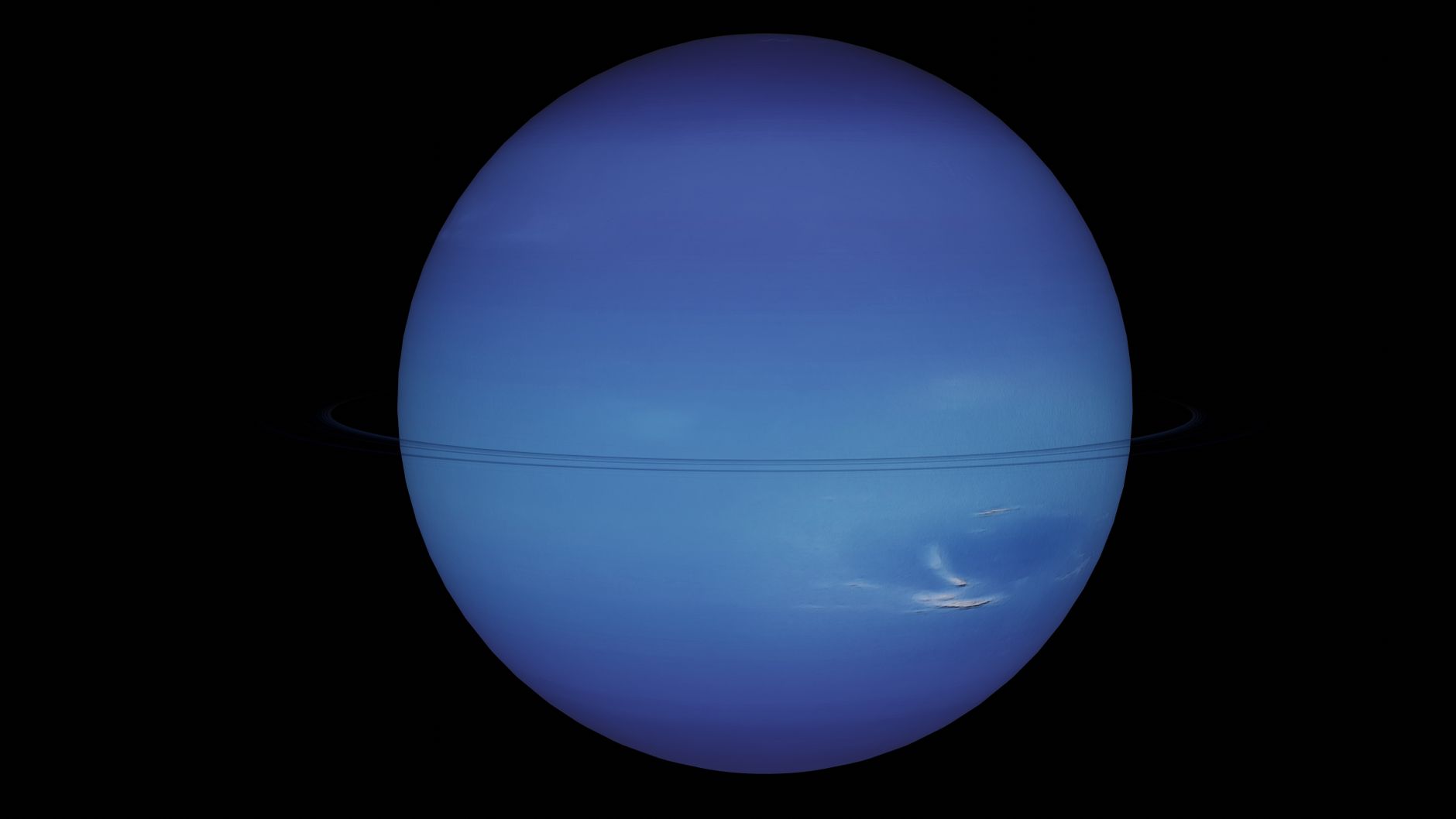
Moon trine Neptune is an aspect that rarely produces dramatic outer-life events — it doesn't create the urgent crises of hard Saturn aspects or the dramatic opportunities of strong Jupiter contacts. What it does produce is a quality of inner life that's difficult to describe precisely because it operates in the registers that language handles least well: feeling, image, intuition, and the subtle perception of what's beneath the surface of things.
The Two Planets
The Moon governs emotional nature, instinctive responses, the need for security, and the unconscious. It's the most personal planet in the chart — the one closest to the immediate, felt experience of being alive. Its sign and house position show how emotional life operates and what the person needs to feel nurtured.
Neptune governs imagination, mystical experience, the dissolution of boundaries, idealism, and the collective unconscious. As the ruler of Pisces, it represents the part of human experience that transcends individual identity — the oceanic feeling, the spiritual longing, the artistic vision that reaches toward something larger than the self.
When these two form a trine — a flowing 120-degree angle — they work together without friction. The Moon's emotional responsiveness and Neptune's imaginal depth reinforce each other rather than tension each other.
What This Produces
Heightened empathy. Moon trine Neptune individuals often have an unusually refined capacity for emotional attunement — they pick up emotional states from others (and from rooms, situations, and environments) with a sensitivity that most people don't experience. This is the aspect most commonly associated with what practitioners call "psychic sensitivity" or empathic perception.
Whether this is genuinely paranormal or is better explained as highly developed nonverbal processing — reading micro-expressions, somatic cues, tonal shifts — is a question worth leaving open. What's consistent is that people with this aspect frequently know things about others' inner states that they shouldn't know by conventional information processing.
Rich inner life. The imagination is genuinely active with Moon trine Neptune. Dreams tend to be vivid, symbolic, and emotionally charged. The capacity for reverie — for deep absorption in imaginative or meditative states — is well-developed. Many people with this aspect find that their most creative or spiritually significant experiences happen in these liminal states rather than in focused, intentional activity.
Artistic and musical sensitivity. Neptune governs music, film, and the imaginal arts. When it trines the Moon (feeling, interiority), the result is often a profound responsiveness to aesthetic experience — particularly music, which operates at the intersection of feeling and sound in a way that uniquely engages this aspect. Many people with Moon trine Neptune are deeply affected by music and may be drawn to making it.
Spiritual attunement. The dissolution of boundaries that Neptune governs can feel, at its most positive, like genuine spiritual experience: a felt sense of connection to something larger than the individual self. Moon trine Neptune facilitates these experiences more readily than most chart placements — the emotional body (Moon) is naturally permeable to transpersonal dimensions (Neptune).
The Shadow Side
The trine's flowing quality means this aspect's shadow can remain unconscious for a long time. The primary pitfalls of Moon trine Neptune:
Boundary erosion. When the emotional body is naturally permeable to others' states, distinguishing your own feelings from absorbed ones becomes a genuine skill that must be consciously developed. Without it, the person absorbs surrounding emotional atmospheres continuously — crowds, conflict, other people's distress — in ways that can be draining without the person understanding why.
Escapism. The ease of moving into imaginal states can be used productively (creative work, spiritual practice, meditation) or escapingly (fantasy, dissociation, substances that produce Neptune-like states). The trine makes both more available than average.
Idealization. Neptune idealizes what it touches. When this applies to the Moon's domain — emotional life, home, family, and relationships — there can be a tendency to see these through a filtered, idealized lens rather than as they actually are. Disillusionment when reality breaks through can be significant.
Developing This Aspect Intentionally
Moon trine Neptune works best when the imaginal gifts are given intentional outlets — creative practice, contemplative practice, service work that draws on empathy — while the permeability is consciously managed through practices that strengthen boundaries: physical grounding, time in nature, deliberate solitude, and the development of skills for distinguishing self from other in emotional space.
If you have this aspect and want to understand how it operates specifically in your chart context, our directory of professional astrologers includes practitioners who work with psychological depth, spiritual dimensions, and transpersonal approaches to the natal chart.
Frequently asked questions
Does Moon trine Neptune mean you're psychic?
It correlates with heightened intuitive sensitivity — which may or may not be accurately described as "psychic" depending on your framework. What's more reliably true is that people with this aspect are attuned to subtle emotional and environmental information in ways that can produce seemingly uncanny knowings. Whether the mechanism is conventional or paranormal is, in practice, less important than learning to trust and use the perception appropriately.
Is Moon trine Neptune good for creative work?
Yes, notably so. It's among the aspects most frequently found in charts of artists, musicians, and writers — particularly those drawn to emotionally resonant or spiritually inflected work. The combination of deep feeling (Moon) and imaginal range (Neptune) is generative for creative work, though it requires the discipline of other chart factors to produce finished work rather than staying permanently in the inspiration phase.
How is Moon trine Neptune different from Moon conjunct Neptune?
The conjunction is more intense and more personally defining — the two energies merge completely, which can produce either exceptional sensitivity and vision or considerable difficulty with grounding and boundaries. The trine is easier to manage: the energies flow together without the merger quality of the conjunction. Both placements benefit from grounding practices, but the conjunction requires more active management.