Journal · Predictive Astrology · Long Read
What Does Retrograde Mean in Astrology?
Retrograde is an optical illusion that astrologers treat as meaningful — a time when a planet's energy turns inward and invites review or reflection.
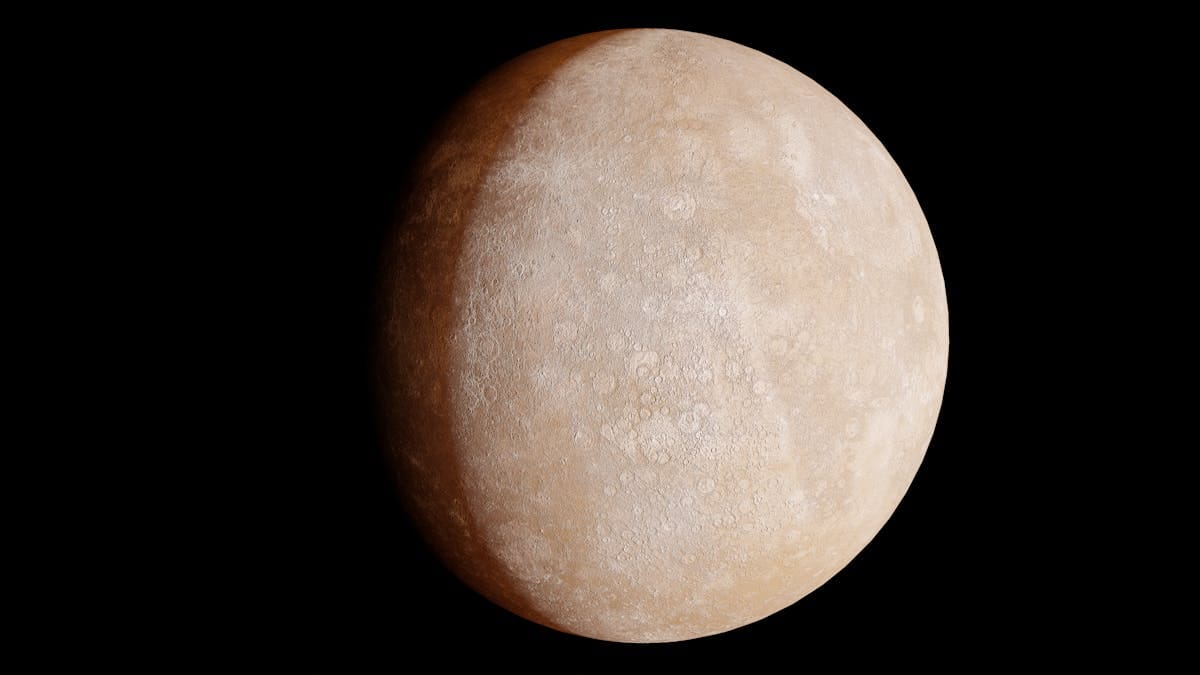
Retrograde is probably the single most misunderstood word in astrology. Thanks to social media, half the population now blames Mercury retrograde for every dropped text and computer glitch. The real story is more interesting and a lot less dramatic. Retrograde isn't a curse — it's an invitation to slow down and look at something more carefully.
This guide explains what retrograde actually means, why it happens astronomically, and how each retrograde planet affects your chart differently. Whether you're trying to survive a Mercury retrograde transit or you've discovered you were born with a planet retrograde, here's what you actually need to know.
What Does Retrograde Mean?
In astrology, retrograde describes a planet that appears to be moving backward across the sky. It's an optical illusion — planets don't actually reverse course — but from Earth's vantage point, the slower a planet moves relative to us, the more it seems to reverse direction. Astrologers treat this apparent backward motion as meaningful: a time when the planet's energy turns inward, slows down, or asks to be revisited.
Why Does Retrograde Happen?
Every planet orbits the Sun at a different speed. When Earth overtakes a slower outer planet — or when an inner planet like Mercury overtakes Earth — the relative motion creates an illusion of reversal. Think of two cars on a highway: if you pass a slower car, it briefly looks like it's rolling backward even though it's moving forward.
Ancient astrologers didn't have this orbital explanation, but they noticed the pattern: planets periodically seemed to stall, reverse, and then resume forward motion. They called the forward motion "direct" and the reversal "retrograde" — from the Latin retrogradus, meaning "going back." The moments a planet changes direction are called stations — a planet "stations retrograde" when it stops and reverses, and "stations direct" when it resumes forward motion.
Retrograde Frequencies by Planet
Each planet retrogrades on its own schedule. Mercury retrogrades three to four times a year for about three weeks at a time, which is why it gets so much attention. Venus retrogrades roughly every 18 months for about 40 days. Mars retrogrades every two years or so for 60-80 days.
Saturn, Uranus, Neptune, and Pluto spend about a third to a half of each year retrograde, which is common enough that many people are born with those planets retrograde in their natal charts. A natal outer planet retrograde isn't rare or weird — it's normal.
What Retrograde Means in Practice
Astrologers interpret retrograde planets as energy that moves inward rather than outward. A natal Venus retrograde, for example, may indicate someone who processes love and relationships in a more private, reflective way — less expressive outwardly, more complex internally. Mercury retrograde transits are associated with communication slowdowns, technology snags, and revisiting old decisions — though the effects are usually subtler than popular astrology suggests.
The general theme across all retrogrades is "re" words: review, revise, reconsider, revisit, reflect, remember. Retrograde periods aren't ideal for launching something completely new, but they're excellent for finishing old projects, cleaning up loose ends, and rethinking decisions you rushed past the first time.
Retrograde by Planet
Mercury retrograde affects communication, contracts, short travel, and mental processes. The advice to avoid signing contracts is overstated, but it's a good time to double-check details. Venus retrograde affects love, values, and aesthetics — old relationships often resurface, and it's not an ideal time for major beauty decisions or big romantic commitments. Mars retrograde affects drive, action, and assertiveness — energy feels more internal, and starting aggressive new projects tends to stall.
Jupiter retrograde affects growth, belief, and expansion — it's an internally expansive period, often marking philosophical review. Saturn retrograde affects responsibility and structure — it's a time for reassessing commitments. Uranus, Neptune, and Pluto retrogrades affect generational and deeply internal themes and are less personally noticeable day to day.
A Real Example
Someone born with Mars retrograde in Leo in the 1st house may find that their drive and ambition are slower to activate than expected. They might feel frustrated when they can't act immediately, but once they do act, they tend to have thought it through thoroughly. The retrograde Mars doesn't make them passive — it makes the action more deliberate. During a Mars retrograde transit, the same person might feel a push to revisit an old project or rethink an approach they'd been forcing.
Natal Retrograde vs Transit Retrograde
These are two different things that often get confused. A natal retrograde planet is one that was retrograde at the moment you were born. It's a permanent feature of your chart, and it shapes how that planet expresses itself throughout your life. A transit retrograde is temporary — it's what's happening in the sky right now, and it affects everyone for the duration.
If you were born with Mercury retrograde, Mercury retrograde transits don't hit you the same way they hit other people. Many astrologers say natal retrograde folks actually handle transit retrogrades better because they're already wired for the inward mode.
Venus, Mars, and Outer Planet Retrogrades
Venus retrograde, happening roughly every 18 months, tends to bring up old relationships, unresolved romantic feelings, or questions about personal values. It's often a period when you reconsider what you actually want in love and money, rather than what you thought you should want. Mars retrograde, every two years, tests your drive and direction. Projects you were forcing often stall, and the right move is usually to pause and rethink your approach rather than push harder.
Saturn, Jupiter, and the outer planets retrograde for months at a time every year, which makes their retrograde periods less dramatic and more gradual. These are slow internal shifts rather than acute events. Outer planet retrogrades usually don't require any special action — you just live through them as part of the background rhythm of life.
Common Misconceptions
Mercury retrograde does not ruin your life. Most "Mercury retrograde disasters" are regular communication failures that happen to fall during a three-week window that occurs multiple times a year. The retrograde is a useful prompt to slow down and double-check things — not a period where everything automatically goes wrong.
Retrograde planets in a natal chart are also not inherently weakened. They're differently expressed, often with more internal depth. Plenty of highly successful, outwardly confident people have retrograde personal planets.
Mercury Retrograde in Detail
Mercury retrograde gets more attention than any other retrograde, so it deserves its own section. The actual effects tend to cluster around things Mercury rules: communication, contracts, short travel, technology, and quick decisions. Typical retrograde themes include unexpected delays, forgotten details, revisits from the past (old friends reaching out, old projects resurfacing), and the occasional piece of tech acting up.
Notice the word "cluster." These things happen all the time in normal life — the retrograde just makes them slightly more likely and more noticeable. If you go into the three-week window expecting disaster, you'll find it. If you go in expecting a slower, more reflective rhythm, you'll find that instead. The retrograde is less a curse and more an invitation to work at a different pace.
Shadow Periods
Before and after every retrograde, there's a phase called the shadow period, sometimes called the pre-retrograde shadow and post-retrograde shadow. During the pre-shadow, the planet is still moving forward but has entered the degree range it will eventually retrograde back over. Many astrologers notice that retrograde themes start surfacing during the shadow, before the actual station.
The post-retrograde shadow is when the planet is again moving forward but retracing the degrees it covered during the retrograde. This phase often brings clarity on whatever came up during the retrograde itself. It's a good time to implement decisions you were mulling over while the planet was backward.
Retrograde Stations
The moments when a planet changes direction are called stations, and astrologers pay special attention to them. A planet at a station is moving very slowly in the sky, which amplifies its influence. A natal planet sitting on a degree where another planet stations — either retrograde or direct — often experiences a strong activation during that period. Stations are short windows, usually lasting a day or two, but they can be intense.
Retrograde Planets and Personality
If you were born with a personal planet retrograde, you probably already know it from experience even if you've never opened an astrology book. The energy of that planet tends to run inward before it runs outward. A Mercury retrograde native might think for a long time before speaking, often finding conversations slightly out of sync with their mental pace. A Venus retrograde native may not express affection the way their culture expects, leading others to mistake them for cold when they're actually deeply loving underneath. A Mars retrograde native often has to build up to action rather than springing into it.
None of these patterns are problems. They're just how the energy flows when it's turned inside rather than outside. Once you understand the retrograde, it stops feeling like something wrong and starts feeling like the shape of your own operating system.
Retrograde and the Twelve Houses
Where a retrograde planet transits in your chart affects what themes the retrograde activates. A retrograde in your 2nd house may bring up old financial decisions. A retrograde in your 7th house can mean an ex reaches out, or a current relationship gets put through a review. A retrograde in your 10th house often coincides with a rethink of career direction. Looking at the house the current retrograde is moving through is one of the easiest ways to predict what it will actually feel like for you personally.
How to Work With Retrograde Periods
The honest answer: treat them as slowdown invitations, not emergencies. Back up your files (always good practice anyway), double-check appointments, and give yourself extra time on important communications. Use the window to finish lingering projects rather than start brand new ones. If something from the past resurfaces — an old contact, an unresolved question — consider whether it's asking to be addressed.
You can check which planets are currently retrograde on any astrology site, or run your own birth chart to see which retrograde planets you were born with.
Frequently Asked Questions
Do planets actually move backward?
No. Retrograde is an optical illusion caused by the relative motion between Earth and the other planets. Astronomically, all planets always orbit in the same direction.
How often does Mercury go retrograde?
Three to four times per year, for about three weeks each time. It's the most frequent retrograde among the personal planets.
Is being born with retrograde planets bad?
No. It just means those planets express themselves more internally. Many successful people have retrograde natal planets.
Should I avoid signing contracts during Mercury retrograde?
It's not forbidden, but it's wise to read the fine print carefully. Most astrologers say it's the rush and carelessness that cause problems, not the retrograde itself.
How do I know which planets are retrograde right now?
Any astrology app or site will show current planetary motion. You can also check an ephemeris, which lists daily planetary positions and motion.
The Takeaway
Retrograde isn't punishment. It's a pause built into the cosmic rhythm — a natural time to look back, review, and clean up before moving forward again. Mercury retrograde included. Use it well and it stops feeling like a curse.