Journal · Predictive Astrology · Long Read
Transits in Astrology: How Moving Planets Affect Your Chart
Transits are how astrology tracks time. Here's what they are, which ones matter most, and how to read them to understand the current chapter of your life.
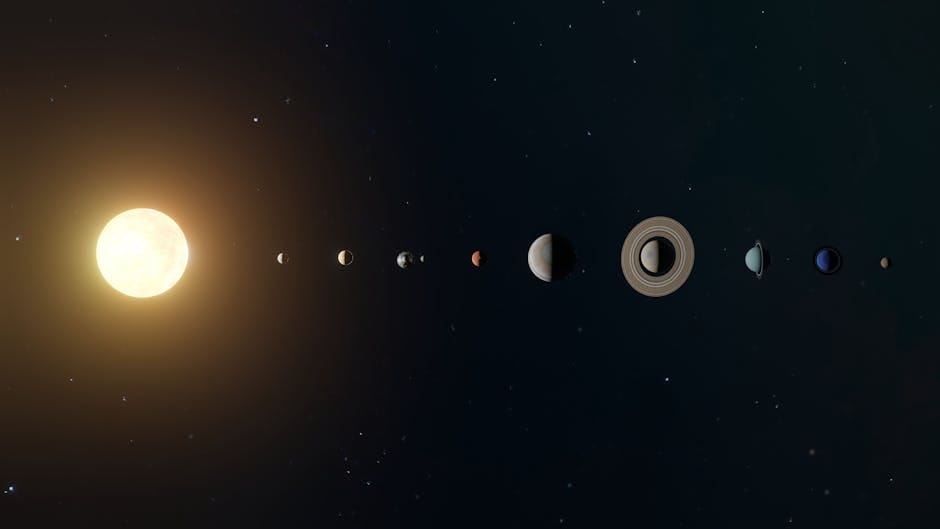
If your birth chart is a snapshot of the sky at the moment you were born, transits are what the sky is doing right now. They're how astrology tracks the present and forecasts the future — and they're the tool most professional astrologers reach for when someone asks, "what's going on in my life and why?"
Understanding transits is the step that turns astrology from a personality test into a genuine timing system. Here's the complete beginner-friendly guide.
What Are Transits in Astrology?
A transit is simply a planet moving through the sky right now — and as it moves, it passes over sensitive points in your birth chart. When that happens, astrologers say the planet is "transiting" your chart.
Think of your birth chart as a permanent map of where the planets were when you took your first breath. Transits are what the sky is doing today, compared to that map. Where the two intersect, something tends to get activated. Transits are how astrologers describe the weather of your life — what's pressing on you, what's opening up, and where you're being asked to grow.
Where This Concept Comes From
Transits are one of the oldest tools in astrology. Ancient Babylonian astrologers tracked planetary movements across the sky and noted when certain events seemed to coincide with specific planetary positions. Greek and Hellenistic astrologers later formalized the practice, developing systems for comparing the live sky to a person's birth chart as a way of timing events.
The basic logic hasn't changed much in two thousand years. Planets move at different speeds — the Moon zips through your chart in about two days, while Saturn takes roughly two and a half years to cross a single sign. Astrologers have always used that timing to interpret what kinds of pressures or opportunities might be showing up in a person's life at a given moment.
How to Read a Transit
To read a transit, you need two things: your birth chart, and a current planetary chart. When a moving planet lines up with something in your birth chart — a planet, an angle, a house cusp — that's a transit worth paying attention to. The meaning depends on which planet is moving, what it's touching, and what kind of geometric angle it's making (a conjunction, opposition, square, or trine, for example).
A conjunction means the transiting planet is sitting right on top of something in your chart. An opposition means it's sitting directly across from it. A square is a 90-degree tension angle; a trine is a 120-degree flowing angle. Each angle has a different flavor, and the same planet can feel totally different depending on which angle it's making.
Fast vs Slow Transits
Faster planets like Mercury or Venus create transits that last a few days and tend to reflect smaller, passing shifts in mood, communication, or social life. Mercury transits influence what you're thinking and talking about. Venus transits color your social life and relationships for a few days at a time.
Slower planets — Jupiter, Saturn, Uranus, Neptune, and Pluto — create transits that can last months or even years. These are the ones that tend to coincide with bigger, more structural changes in a person's circumstances. Saturn transits especially mark maturation points, responsibilities, and limits. Uranus transits bring sudden change. Pluto transits restructure entire areas of life.
The Outer Planet Transits That Matter Most
- Jupiter transits: Roughly yearlong in each sign. Bring expansion, opportunity, and growth in the life area affected.
- Saturn transits: Two to three years in each sign. Bring responsibility, limits, and maturation. The Saturn return at ages 28-30 and 58-60 is the most famous.
- Uranus transits: Seven years per sign. Bring sudden change, freedom, and rebellion against what's no longer working.
- Neptune transits: Fourteen years per sign. Bring dissolution, spirituality, creativity, and sometimes confusion.
- Pluto transits: Twelve to thirty years per sign. Bring transformation, power struggles, and deep restructuring.
A Real Example
Say your birth chart has the Sun in Capricorn in the 7th house, which relates to partnerships and one-on-one relationships. When Saturn — a planet associated with responsibility, limits, and hard work — transits through Capricorn and passes over your natal Sun, you might find that your close relationships are being tested or restructured. Things that aren't working get harder to ignore. That's not a curse; it's Saturn doing what Saturn does — applying pressure until something clarifies.
Now compare that to Venus transiting the same point for two or three days. The effect is lighter and shorter. You might feel more at ease in your relationships during that window, or a pleasant interaction might stand out. Same location in the chart, very different planet, very different weight.
Transits Through Houses
In addition to aspects, transits matter based on which house they're moving through. A planet spending time in your 10th house will influence career and reputation. A planet in your 4th house will stir up themes of home, family, and emotional foundation. A planet in your 7th will activate partnerships. This is a more subtle layer of transit reading, but it's often where the most practical information lives. Learn the 12 houses of astrology first if you want to read transits well.
Common Misconceptions
The biggest misconception is that transits cause things to happen. They don't. Astrologers use transits to identify timing — windows when certain themes tend to be louder in a person's life. A difficult transit from Saturn doesn't mean something bad will happen; it means there's likely some pressure or responsibility around the area of life that Saturn is touching. How you respond to that is still up to you. Transits are better thought of as weather forecasts than fate.
Another misconception is that only "difficult" transits matter. Flowing transits like Jupiter trines can bring real opportunities, but only if you notice and act on them. Many people miss their luckiest windows because they don't know what to look for.
Practical Tips for Working With Transits
- Focus on slow planets first. Outer planet transits shape years of your life. Don't get lost in daily Moon transits.
- Track your Saturn return. It's the most significant transit of your twenties and late fifties. Know when it's happening.
- Note the house. Whatever house the transit is in tells you what life area is being activated.
- Consider the natal chart context. A transit means more if it hits something important in your chart — your Sun, Moon, Ascendant, or ruler.
- Don't panic about hard transits. They're uncomfortable, but they do the real work of development.
Inner Planet Transits You Can Actually Use
While outer planet transits describe the big chapters, inner planet transits (Moon, Mercury, Venus, Mars) describe the day-to-day. They're too fast to stress over, but they're useful for timing small choices. A Venus transit through your 7th house is a pleasant window for relationship conversations. A Mars transit through your 10th can be a good time to push on a career goal. The Moon transiting your chart triggers whichever house it's moving through for about two days at a time. None of this is dramatic, but learning to notice the pattern makes astrology feel much more alive in daily life.
How to Start Tracking Your Own Transits
If you want to start reading your own transits, here's a simple entry point. Pick one outer planet (Jupiter or Saturn is the most beginner-friendly) and find out which sign it's currently moving through. Then look at your natal chart and see which house that sign governs for you. That's the area of life getting the most attention right now. Watch it for a few months and notice what actually happens. This kind of direct observation teaches you more about how transits work than any book can, because you're tracking it in real time in your own life.
Transits vs Natal Placements
One thing worth clarifying: your natal chart describes your core wiring, while transits describe the current weather moving across that wiring. A transit cannot override what's in your natal chart — it can only activate or highlight what's already there. If Saturn transits your natal Venus, the experience will depend heavily on what your natal Venus is already doing. Someone with a strong, well-aspected Venus will experience the transit differently than someone whose Venus is already challenged. This is why astrologers insist on reading transits in the context of the natal chart, never in isolation.
Key Life Transits Everyone Experiences
Some transits happen to everyone at roughly the same ages because the outer planets move slowly and predictably:
- Saturn Return (ages 28-30, 58-60): The maturation transit. Often coincides with major life decisions — career, marriage, identity restructuring.
- Uranus Opposition (around age 42): The mid-life awakening. Often brings a sudden urge for change or freedom from what no longer fits.
- Nodal Returns (every 18.6 years): Recalibration of your life direction. Hits around ages 19, 37, 56, and 75.
- Jupiter Return (every 12 years): Growth and expansion cycles. Often a period of new opportunities.
- Chiron Return (around age 50): Brings up unfinished healing work — often profound but quiet.
These are the transits that structure the broad chapters of a life. If you map them out on a timeline, you'll often see how major personal milestones align with them.
Retrograde Transits
When a transiting planet turns retrograde, it appears to move backward through the zodiac from our perspective on Earth. During these periods, astrologers say the planet's themes turn inward — review, reflection, and reconsideration rather than forward action. Mercury retrograde gets most of the attention, but all planets retrograde periodically, and each has its own flavor. Venus retrograde tends to revisit relationships. Mars retrograde tends to cool off action. These periods aren't "bad" — they're just reflective rather than active.
Related Concepts Worth Exploring
If you're learning transits, also look into progressions (a related but slower predictive technique), solar returns (your yearly chart), eclipses, and aspects between planets more broadly. Together these give you a complete picture of astrological timing.
Frequently Asked Questions
Do transits cause events?
No. They indicate timing and themes. What actually happens depends on you, your choices, and your circumstances.
Which transits matter most?
Outer planet transits (Jupiter through Pluto) to your personal planets and chart angles. These describe the major chapters of your life.
What's the Saturn return?
When transiting Saturn returns to where it was at your birth, roughly every 28-30 years. It's the most famous maturation transit in astrology.
How do I know what transits are hitting me now?
Run a current transit report in any chart calculator. It will show you which planets are making aspects to your natal chart today.
Can transits be positive?
Absolutely. Jupiter transits are often expansive and lucky. Trines and sextiles from outer planets can bring real opportunities and breakthroughs.
Do transits affect everyone the same way?
No. They affect each person based on their own birth chart. A transit that's huge for one person might be barely noticeable for another.
The Takeaway
Transits are how astrology turns from static description into living, dynamic insight. Learn to read them and you'll start to see the current chapter of your life in context — what you're building, what you're releasing, and what's being asked of you right now. They're one of the most useful tools astrology has to offer.