Journal · Spiritual Practice · Long Read
Birthstones by Month: Complete Chart and Meanings
From January's garnet to December's turquoise, every month has a traditional birthstone with its own symbolism and meaning. Here's the complete chart with the history and properties behind each one.
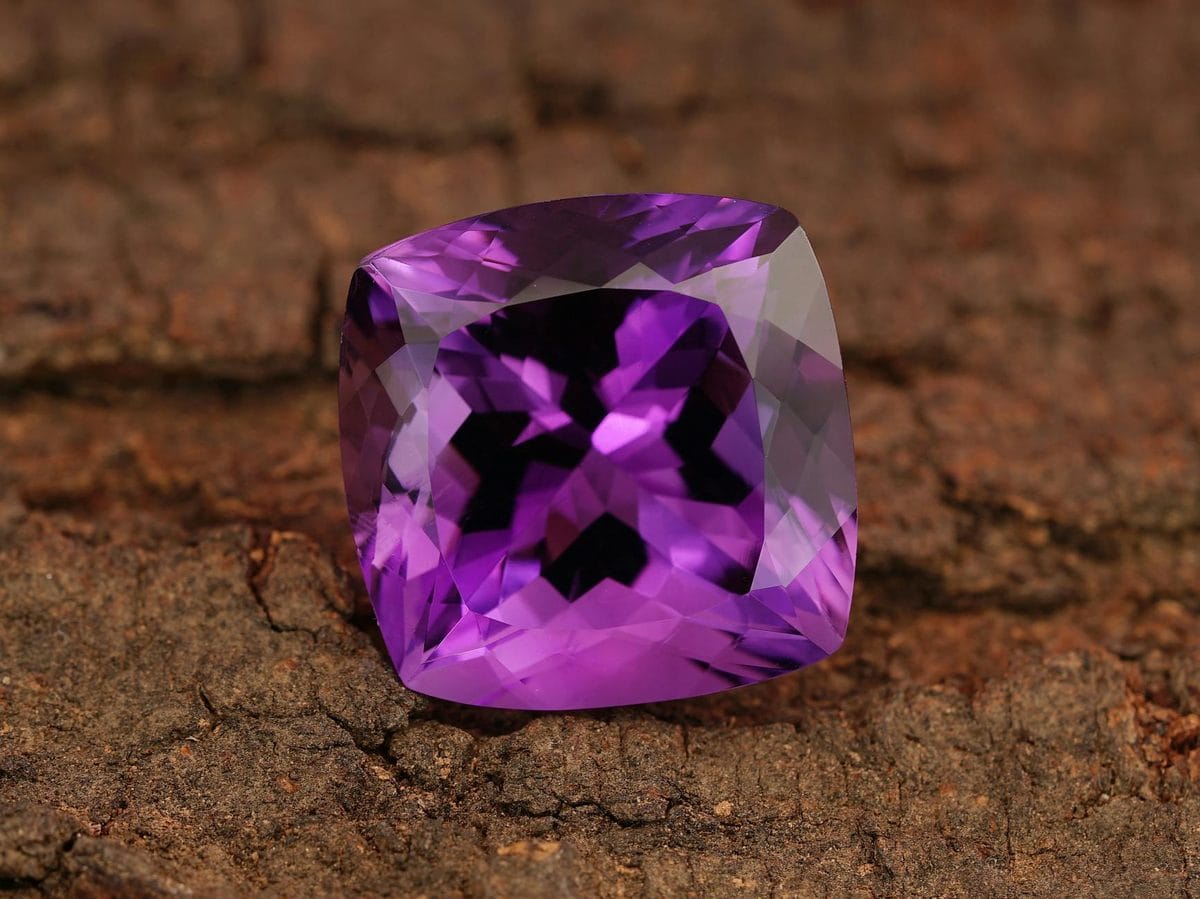
Birthstones are gemstones associated with each month of the year. They're believed to hold symbolic meaning and power, and they've been used for centuries for their spiritual and healing properties. In this article, we'll explore the 12 months and their corresponding birthstones, along with the history, meaning, and practical significance of each one.
Whether you're looking for a meaningful gift, trying to understand your own stone, or just curious about the tradition, this is the full picture.
What Is a Birthstone?
A birthstone is a gemstone associated with a specific month of the year. The concept dates back to ancient times and is believed to have originated with the breastplate of Aaron, a high priest in the Hebrew Bible. The breastplate was adorned with 12 gemstones, each representing one of the 12 tribes of Israel. Over time, the idea of associating specific gemstones with months of the year became more widespread across cultures.
How Do I Know My Birthstone?
Your birthstone is determined by the month in which you were born. Each month is associated with a specific gemstone, and that gemstone is believed to hold special significance and power for those born in that month. Many people wear their birthstone as a way of celebrating their birth month and connecting with its symbolism.
What Is the Rarest Birthstone Month?
February is often considered the rarest birthstone month, associated with amethyst. Amethyst is a type of quartz that's usually purple, and it's believed to have healing and protective properties. It's considered a rare gemstone because it historically wasn't found in large quantities, and high-quality specimens still command a premium.
The 12 Months and Their Birthstones Explained
January — Garnet
Garnet is the birthstone for January. This gemstone is typically red, although it can also be found in shades of orange, yellow, green, and purple. Garnet is believed to represent love and devotion, and is often given as a gift to signify friendship and trust. Ancient warriors carried garnet as a protective talisman on journeys.
February — Amethyst
Amethyst is the birthstone for February. This gemstone is usually purple and is believed to represent clarity of mind and spiritual awareness. It's also thought to have healing properties and is often used in meditation and spiritual practice. In Greek mythology, amethyst was said to protect the wearer from drunkenness.
March — Aquamarine
Aquamarine is the birthstone for March. This gemstone is typically blue or blue-green and is believed to represent purity, youth, and vitality. It's often associated with the sea and is believed to have a calming and soothing effect on mind and body. Sailors once carried aquamarine for safe passage across water.
April — Diamond
Diamond is the birthstone for April. This gemstone is typically clear or white, although it can also be found in yellow, pink, blue, and rare red. Diamond represents strength, clarity, and purity, and is often given as a symbol of love and commitment. It's the hardest natural substance on Earth.
May — Emerald
Emerald is the birthstone for May. This gemstone is typically green and is believed to represent growth, renewal, and fertility. It's often associated with nature and is believed to have healing properties that promote physical and emotional wellbeing. Cleopatra was famously associated with emeralds.
June — Pearl
Pearl is the birthstone for June. Pearl is unique in that it's not a mineral but a type of organic material produced by oysters and other mollusks. Pearls come in a variety of colors, though most are white or off-white. Pearl is believed to represent purity, innocence, and wisdom. June also has alexandrite as a modern alternate birthstone.
July — Ruby
Ruby is the birthstone for July. This gemstone is typically red and is believed to represent passion, energy, and vitality. It's often associated with love and romance and is believed to have the power to bring good fortune and success. In ancient times, rubies were considered the most valuable of all gems.
August — Peridot
The birthstone for August is peridot, a beautiful gemstone known for its green color and its association with the sun. Peridot has been prized for thousands of years. The ancient Egyptians called it the "gem of the sun" and believed it could protect against evil spirits and nightmares.
Peridot is a magnesium-rich mineral formed deep within the earth's mantle and brought to the surface by volcanic activity. The stone ranges from yellow-green to olive green and is found in volcanic rocks — and even in some meteorites. August also has sardonyx as a traditional alternate birthstone.
September — Sapphire
Sapphire is the birthstone for September and is known for its deep blue color, though sapphires come in nearly every color except red. It has been valued for centuries for its beauty and durability. In ancient times, sapphires were believed to protect against evil and provide guidance and wisdom. Today, sapphires are associated with loyalty, trust, and faithfulness.
October — Opal and Tourmaline
October has two birthstones: opal and tourmaline. Opals are known for their iridescent colors that seem to change in the light. They're often associated with creativity, inspiration, and imagination. Tourmaline comes in a variety of colors — including pink, green, and blue — and is believed to have healing properties and to promote self-confidence and positivity.
November — Citrine and Topaz
November also has two birthstones: citrine and topaz. Citrine is a yellow-orange stone often associated with abundance, prosperity, and success. It's believed to promote positivity and eliminate negative energy. Topaz comes in blue, pink, yellow, and more, and is often associated with strength, courage, and confidence.
December — Turquoise, Zircon, and Tanzanite
December has three birthstones: turquoise, zircon, and tanzanite. Turquoise is a blue-green stone valued for centuries by Native American cultures. It's often associated with protection, healing, and communication. Zircon is a colorless stone often used as a diamond substitute, believed to promote prosperity and honor. Tanzanite is a blue-violet stone discovered in Tanzania in the 1960s and is associated with transformation, spiritual awareness, and intuition.
How to Care for Your Birthstone Jewelry
Birthstones vary widely in hardness and care requirements. Diamond, ruby, and sapphire are all hard enough to wear daily without much worry. Emerald is technically hard but often heavily included, making it more fragile than its rating suggests — avoid impacts. Pearl and opal are soft and porous, vulnerable to perfume, chlorine, and household chemicals; remove them before showering or swimming. Turquoise can change color over time when exposed to oils and lotions. Amethyst is generally durable but can fade in prolonged sunlight. As a general rule, store gemstone jewelry separately to prevent scratching, clean gently with mild soap and a soft cloth, and check settings periodically for loose stones. Treated and synthetic versions of most birthstones exist — make sure you know what you're buying when authenticity matters.
Modern vs Traditional Birthstones
The birthstone list most people know today was officially standardized by the American National Association of Jewelers in 1912, with later additions like tanzanite (added to December in 2002). But there are several older lists that don't always match. Traditional lists going back to the 15th century sometimes assigned different stones — for example, older traditions paired March with bloodstone before aquamarine took the modern slot, and August was once associated only with sardonyx before peridot became dominant. Vedic astrology uses an entirely separate system of nine planetary gemstones (the Navaratna) tied to the planets rather than to months. None of these lists is "wrong" — they just reflect different cultural decisions about which stones to highlight.
Birthstones and Zodiac Signs
Each birthstone also connects with one or two zodiac signs because birthdays and sun signs overlap. For example, July's ruby pairs with Cancer and the start of Leo. December's turquoise is strongly associated with Sagittarius energy. Understanding the connection between birthstone and sign can deepen the meaning of wearing your stone.
Where Do Birthstones and Their Months Come From?
The idea of assigning a birthstone to each month is believed to have originated from the breastplate of Aaron in the Hebrew Bible. The breastplate was adorned with 12 gemstones that represented the 12 tribes of Israel. Over time, the idea of assigning birthstones to each month spread across cultures and became a popular tradition. The modern list of birthstones was standardized in 1912 by the American National Association of Jewelers, with some updates since then.
Today, birthstones continue to be a meaningful way to celebrate birthdays and special occasions. They're often given as gifts to show love, appreciation, and thoughtfulness — a tradition that bridges ancient symbolism with modern jewelry-giving.
How to Choose and Wear Your Birthstone
A few practical tips if you're deciding how to incorporate your birthstone into daily life:
- Match stone quality to the setting. Soft stones like pearl and opal do better in earrings or pendants than in rings that take daily wear.
- Consider setting color. Warm-toned stones often look best in gold; cool-toned stones in silver or white gold.
- Layer with intention. Some people wear their own birthstone alongside the birthstones of loved ones — a family in one necklace.
- Cleanse it occasionally. Most gemstones can be wiped with a soft cloth; more porous ones (pearl, turquoise) need gentler care.
Final Thoughts on the 12 Months and Their Birthstones
Birthstones are a unique and personal way to celebrate birthdays and special occasions. Each birthstone has its own meaning and symbolism, making it a thoughtful gift or a meaningful piece of personal jewelry. Whether you're giving a birthstone as a present or just want to learn more about the stone associated with your birth month, there's a rich history behind each one — from ancient Egypt to modern jewelry counters.
Frequently Asked Questions
Can I wear a birthstone that isn't mine?
Absolutely. Birthstones carry their own properties regardless of birth month. Many people wear stones based on energy, color, or symbolism rather than strictly by birth month.
Why do some months have more than one birthstone?
Modern birthstone lists sometimes include multiple options per month because different traditions disagreed, or because certain stones (like tanzanite) were added more recently. Multiple options give buyers flexibility.
What's the most valuable birthstone?
Diamond (April) and ruby (July) are typically the most valuable per carat, though high-quality emeralds and sapphires can rival them.
Are birthstones connected to astrology?
Historically yes — the original planetary and zodiacal associations influenced which stones were assigned to which months. The modern list is slightly simplified but still echoes those roots.
What if I don't like my birthstone?
Use your zodiac sign's stone instead, or pick one based on the properties you want to work with. Birthstones are traditional, not mandatory.
Do birthstones need to be cleansed like crystals?
Yes, if you're using them for their energetic properties. Gentle methods — moonlight, soft cloth, cool water (for appropriate stones) — work well.