Saturn Conjunct Moon: What This Heavy Aspect Means in Your Chart
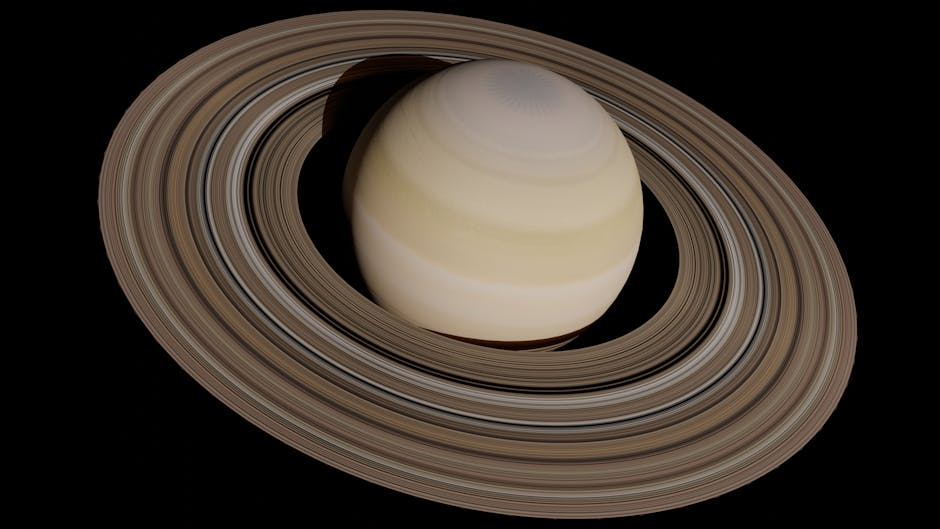
What Is Saturn Conjunct Moon?
Saturn conjunct Moon is a Birth Chart placement where Saturn and the Moon were sitting extremely close together in the sky at the moment you were born. In astrology, when two planets occupy the same spot, they blend their energies — and this particular combination puts the planet of structure, limits, and discipline right on top of the planet that governs emotions, instincts, and your sense of comfort. The result is a placement that tends to make feelings feel heavy, complicated, or hard to express freely.
Where Does Saturn Conjunct Moon Come From?
The idea of planetary Conjunctions goes back to ancient Babylonian and Greek astrology, where astrologers carefully tracked the sky and noted when planets appeared to meet. Saturn — known to the Greeks as Kronos — was consistently associated with restriction, time, and hardship. The Moon represented the mother, the body, and emotional life. Ancient astrologers considered Saturn a "malefic," meaning a planet that creates difficulty, and saw its contact with the Moon as particularly challenging because it suppressed what the Moon naturally wants to do: feel freely and seek comfort.
Medieval astrologers inherited this interpretation and made it even more stern. They often described Saturn conjunct Moon as a marker of coldness, grief, or a difficult relationship with one's mother. Modern astrology has softened that language considerably, but it hasn't discarded the core idea — this combination still carries weight.
What Does Saturn Conjunct Moon Mean in Your Chart?
If you have this placement, look for it in your Natal Chart by finding where your Moon and Saturn share the same sign and are within roughly eight degrees of each other. The house they occupy matters a lot. Saturn conjunct Moon in the fourth house — the house of home and family — might point to a childhood that felt strict or emotionally constrained. The same conjunction in the seventh house might show up as caution or guardedness in close relationships.
What this placement often produces is someone who keeps emotions controlled, who learned early that feelings needed to be managed rather than expressed. That's not always a bad thing. People with this aspect are frequently reliable, serious, and capable of handling difficult situations without falling apart. But they can also struggle to ask for help, find it hard to feel nurtured, or carry a low-grade sense of loneliness even when surrounded by people they love.
A Real Example
Imagine someone born with Saturn and the Moon both in Capricorn, sitting in the tenth house — the area of the chart connected to career and public reputation. This person might find that their emotional life gets poured almost entirely into their work. They feel most stable when they're productive, and they may struggle to switch off. Their feelings are real, but they're filtered through a very practical lens. "Is this useful? Is this appropriate?" tends to come before "How do I actually feel?"
Now contrast that with Saturn conjunct Moon in Cancer in the first house. Here, the Moon is in its home sign and trying to be nurturing and soft — but Saturn is sitting right there, creating self-doubt around emotional expression. This person might come across as composed and self-sufficient to others, while privately feeling like their needs are never quite met.
Common Misconceptions
People often read this placement as purely negative — a sign of a cold, unfeeling person or a damaged childhood. That's an oversimplification. Saturn conjunct Moon doesn't mean someone lacks emotion; it means their emotions carry extra weight and don't flow out easily. Many people with this aspect are deeply caring and emotionally intelligent. The difficulty isn't feeling — it's expressing and receiving. That's a learnable skill, not a fixed flaw.
Related Terms
If you're exploring Saturn conjunct Moon, you'll also want to understand: natal chart, conjunction, Saturn Return, Moon Sign, and the fourth house.