Transits in Astrology: How Moving Planets Affect Your Chart
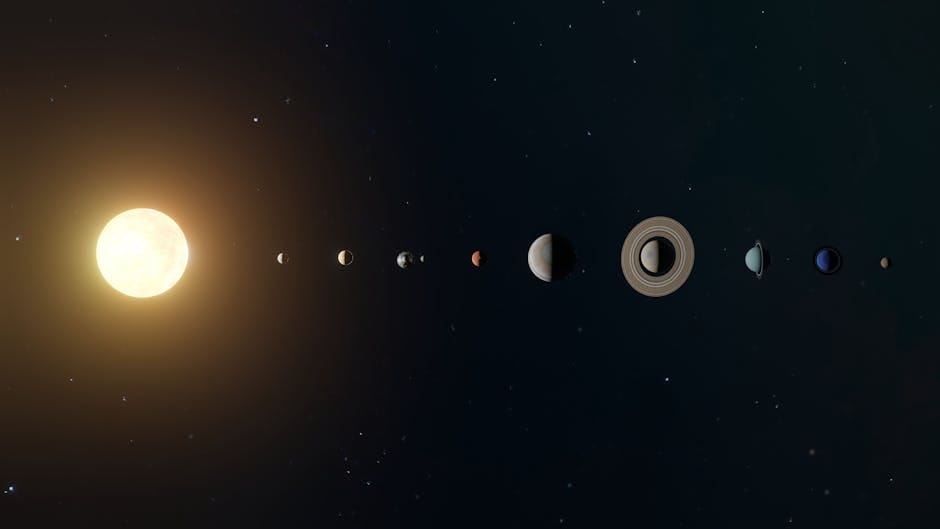
What Are Transits in Astrology?
A transit is simply a planet moving through the sky right now — and as it moves, it passes over sensitive points in your Birth Chart. When that happens, astrologers say the planet is "transiting" your chart. Think of your birth chart as a snapshot of the sky the moment you were born. Transits are what the sky is doing today, compared to that snapshot. Where the two intersect, something tends to get activated.
Where Does This Concept Come From?
Transits are one of the oldest tools in astrology. Ancient Babylonian astrologers tracked planetary movements across the sky and noted when certain events seemed to coincide with specific planetary positions. Greek and Hellenistic astrologers later formalized the practice, developing systems for comparing the live sky to a person's birth chart as a way of timing events.
The basic logic hasn't changed much in two thousand years. Planets move at different speeds — the Moon zips through your chart in about two days, while Saturn takes roughly two and a half years to cross a single sign. Astrologers have always used that timing to interpret what kinds of pressures or opportunities might be showing up in a person's life at a given moment.
What Do Transits Mean in Your Chart?
To read a transit, you need two things: your birth chart, and a current planetary chart. When a moving planet lines up with something in your birth chart — a planet, an angle, a house cusp — that's a transit worth paying attention to. The meaning depends on which planet is moving, what it's touching, and what kind of geometric angle it's making (a Conjunction, Opposition, Square, or Trine, for example). A conjunction means the transiting planet is sitting right on top of something in your chart. An opposition means it's sitting directly across from it.
Faster planets like Mercury or Venus create transits that last a few days and tend to reflect smaller, passing shifts in mood, communication, or social life. Slower planets like Saturn, Uranus, Neptune, and Pluto create transits that can last months or even years — and those are the ones that tend to coincide with bigger, more structural changes in a person's circumstances.
A Real Example
Say your birth chart has the Sun in Capricorn in the 7th house, which relates to partnerships and one-on-one relationships. When Saturn — a planet associated with responsibility, limits, and hard work — transits through Capricorn and passes over your natal Sun, you might find that your close relationships are being tested or restructured. Things that aren't working get harder to ignore. That's not a curse; it's Saturn doing what Saturn does — applying pressure until something clarifies.
Now compare that to Venus transiting the same point for two or three days. The effect is lighter and shorter. You might feel more at ease in your relationships during that window, or a pleasant interaction might stand out. Same location in the chart, very different planet, very different weight.
Common Misconceptions
The biggest one is that transits cause things to happen. They don't. Astrologers use transits to identify timing — windows when certain themes tend to be louder in a person's life. A difficult transit from Saturn doesn't mean something bad will happen; it means there's likely some pressure or responsibility around the area of life that Saturn is touching. How you respond to that is still up to you. Transits are better thought of as weather forecasts than fate.
Related Terms
If you're exploring transits, you'll also want to understand: Natal Chart, Aspects, Saturn Return, Progressions, and Houses.


