Square Aspect in Astrology: Tension, Growth, and Challenge
What Is a Square Aspect?
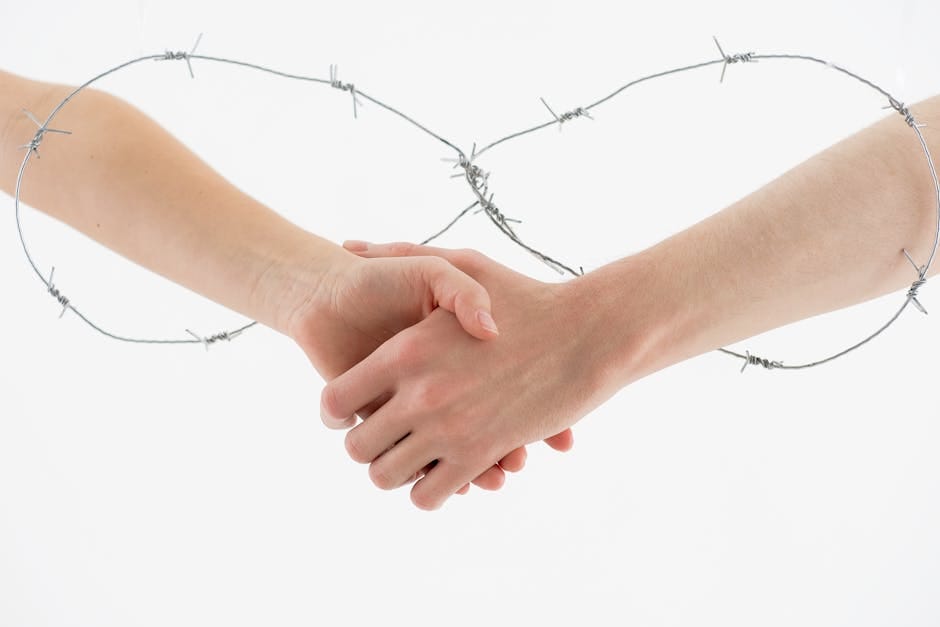
A Square aspect happens when two planets in your Birth Chart sit roughly 90 degrees apart from each other. In astrology, that angular relationship creates friction. Think of it like two strong-willed people who have to share a small office — they're stuck together, they can't ignore each other, and something has to give. Squares represent areas of your life where you feel pushed, pressured, or stuck in a recurring pattern that demands your attention.
Where Does the Square Aspect Come From?
The concept of aspects — the meaningful angles between planets — dates back to ancient Greek astrology, particularly the work of Claudius Ptolemy in the second century CE. His foundational text, the Tetrabiblos, laid out a system of five major aspects, and the square was considered one of the most significant. The number four held symbolic weight in ancient cosmology: four elements, four directions, four seasons. A square divides the circle of the zodiac into four equal parts, and that structure was seen as inherently tense and resistant.
Traditional astrologers called the square a "hard" or "malefic" aspect and often treated it as straightforwardly bad. Modern astrology has softened that view considerably, recognizing that difficulty isn't the same as damage.
What Does a Square Aspect Mean in Your Chart?
When you have a square in your Natal Chart, it points to two parts of your personality — or two areas of your life — that are in constant low-grade conflict. The planets involved want different things, and they tend to express that tension through frustration, overcompensation, or repeated difficult situations. It's the area where you keep running into the same wall. That's not random. It's information.
Squares are also where a lot of personal growth actually happens, not because friction is secretly good for you, but because unresolved tension eventually forces a decision. You can't ignore a square forever. People with prominent squares in their charts are often highly motivated, driven, and accomplished — not despite the tension, but because they had to figure out how to work with it.
A Real Example
Say someone has their Sun in Aries in the first house and their Moon in Cancer in the fourth house. That's a square. The Sun in Aries wants to charge forward — independent, assertive, self-focused. The Moon in Cancer craves emotional security, home, and close connection. These two drives genuinely pull against each other. This person might find that every time they push hard for personal ambitions, their home life or emotional needs suffer. Or they might feel guilty for wanting independence at all.
That's not a life sentence. It's a pattern to notice. Someone who understands this square can start to build structures that honor both needs — rather than assuming they're doomed to fail at one or the other.
Common Misconceptions
The biggest mistake people make with squares is treating them as permanent problems or signs that something is broken. They're not. A square doesn't mean you'll always struggle in that area — it means that area requires more conscious effort than it might for someone without that tension in their chart. It also doesn't mean the planets involved are "bad." Mars square Saturn sounds alarming, but plenty of extremely disciplined, high-achieving people have exactly that placement. The aspect describes a dynamic, not a destiny.
Related Terms
If you're exploring square aspects, you'll also want to understand: Opposition Aspect, Conjunction Aspect, Trine Aspect, Sextile Aspect, and Natal Chart.