Moon Sign in Astrology: What It Reveals About Your Inner World

What Is a Moon Sign?
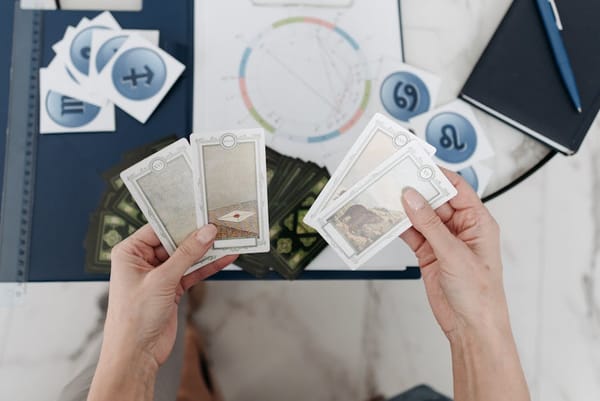
Your Moon Sign is the zodiac sign the Moon was passing through at the exact moment you were born. While most people know their Sun sign — the one you get from your birthday — your Moon sign requires your birth date, birth year, and ideally your birth time to calculate accurately. It's one of the three most important placements in a Birth Chart, alongside the Sun sign and the Rising Sign.
Where Does the Moon Sign Come From?
Astrologers have tracked the Moon's movements for thousands of years. Ancient Babylonian and Hellenistic astrologers paid close attention to the Moon because it moves faster than any other celestial body — it changes zodiac signs roughly every two and a half days, completing a full cycle through all twelve signs in about a month. That speed made it significant and personal.
In traditional astrology, the Moon was associated with the body, habits, memory, and the rhythms of daily life. Medieval astrologers used it heavily in predictive work. That same interpretive framework — the Moon as a symbol of inner life and instinctive response — carried into modern Western astrology, where it remains central to understanding personality.
What Does the Moon Sign Mean in Your Chart?
If the Sun sign describes how you express yourself outwardly — your identity, your will, what you're consciously working toward — then the Moon sign describes what's happening underneath. It points to your emotional instincts: how you react before you've had time to think, what makes you feel safe, what you need to feel at home. It's less about who you want to be and more about who you already are by default.
When you're looking at a birth chart, the Moon sign tells you a lot about someone's relationship with comfort, caregiving, and emotional patterns — including ones picked up in childhood. Two people can share the same Sun sign and feel very different on the inside, largely because of different Moon signs. It's also worth noting which house the Moon falls in, since that adds context about which area of life these emotional patterns tend to show up most strongly.
A Real Example
Say someone has their Sun in Capricorn and their Moon in Cancer. On the surface, they might come across as composed, goal-oriented, and a little reserved — classic Capricorn traits. But with a Cancer Moon, there's a much softer interior: a strong need for emotional security, a tendency to feel things deeply before processing them, and a pull toward home, family, and familiar routines. They might be the person who holds it together at work but needs a quiet night in to actually recharge.
Now put that Cancer Moon in the fourth house — the house most associated with home and family — and those themes intensify. Home isn't just a preference; it's a genuine emotional anchor. That single placement can explain a lot about why someone organizes their whole life around having a stable, private space.
Common Misconceptions
A lot of people assume the Moon sign only matters if you're "emotional" or that it's somehow less important than the Sun sign. Neither is true. Your Moon sign isn't about how emotional you are — it's about how you process emotion, what you need to feel okay, and how you behave when you're not performing for anyone. That applies to everyone. It's also not a secondary detail. Many astrologers argue it's just as revealing as the Sun sign, and sometimes more so.
Related Terms
If you're exploring Moon sign, you'll also want to understand: Sun Sign, Rising Sign, Birth Chart, the Fourth House, and Lunar Phases.