Conjunction in Astrology: What Happens When Planets Meet
What Is a Conjunction?
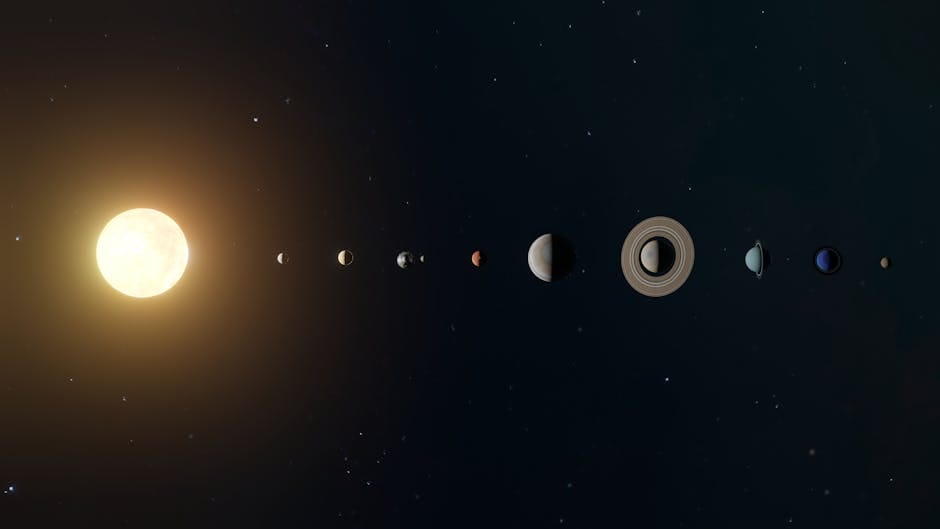
A Conjunction happens when two or more planets sit very close together in the sky — typically within about 8 degrees of each other. From Earth's perspective, they appear to occupy almost the same point. In astrology, this closeness is significant: the planets involved blend their energies together, each one amplifying and coloring the other. Think of it like two people talking at the same time. You hear both voices, but they're harder to separate.
Where Does the Conjunction Come From?
The conjunction is one of the oldest concepts in astrology, dating back to ancient Babylon and Greece. Early astrologers tracked the sky carefully and noticed that when planets clustered together, events on Earth seemed to follow. The word itself comes from the Latin conjunctio, meaning union or joining together.
Classical astrologers treated conjunctions with a mix of respect and caution. Whether a conjunction was considered fortunate or difficult depended heavily on which planets were involved. A meeting of Venus and Jupiter was generally welcome. Saturn and Mars together? Less so. That interpretive framework still holds in modern astrology today.
What Does a Conjunction Mean in Your Chart?
When you see a conjunction in your Birth Chart, it means two planets were in nearly the same position in the sky the moment you were born. The house and sign they share tells you where in your life this blended influence shows up. A conjunction in your 7th house points toward relationships. In your 10th, it shows up around career and public life. The planets involved determine the nature of that influence — whether it feels like a gift, a tension, or both.
Conjunctions are considered powerful because there's no separation between the two planetary influences. They operate as a unit. This can be an asset — if the planets work well together — or it can make things feel tangled and hard to untangle. Someone with Mercury conjunct Saturn, for example, might be a careful, disciplined thinker, but may also struggle with self-doubt when it comes to expressing ideas.
A Real Example
Say someone has Venus conjunct Mars in Scorpio in their 5th house. Venus rules love, attraction, and what we value. Mars rules drive, desire, and how we pursue what we want. When they meet in Scorpio — an intense, all-or-nothing sign — in the house associated with romance and creative expression, the result is someone who feels things deeply when it comes to love and tends to pursue partners with real intensity. There's passion here, but also the potential for relationships to feel high-stakes or consuming.
Common Misconceptions
A lot of people assume conjunctions are automatically good or automatically bad. They're neither. The quality of a conjunction depends entirely on which planets are involved and what sign they're in. Venus conjunct Jupiter tends to be warm and expansive. Saturn conjunct Neptune can feel foggy and frustrating. Even a so-called "difficult" conjunction isn't a life sentence — it's a pattern worth understanding, not something to fear. Context is everything in chart interpretation.
Related Terms
If you're exploring conjunctions, you'll also want to understand: aspects, Opposition, Trine, Sextile, and Natal Chart.